With a tradition of thinking differently

With a solid foundation in traditional craftsmanship and advanced production technology, NIMO delivers market-leading, high-quality drying solutions for public, shared and private environments. Here’s how it all began…

1940s

Where it all began

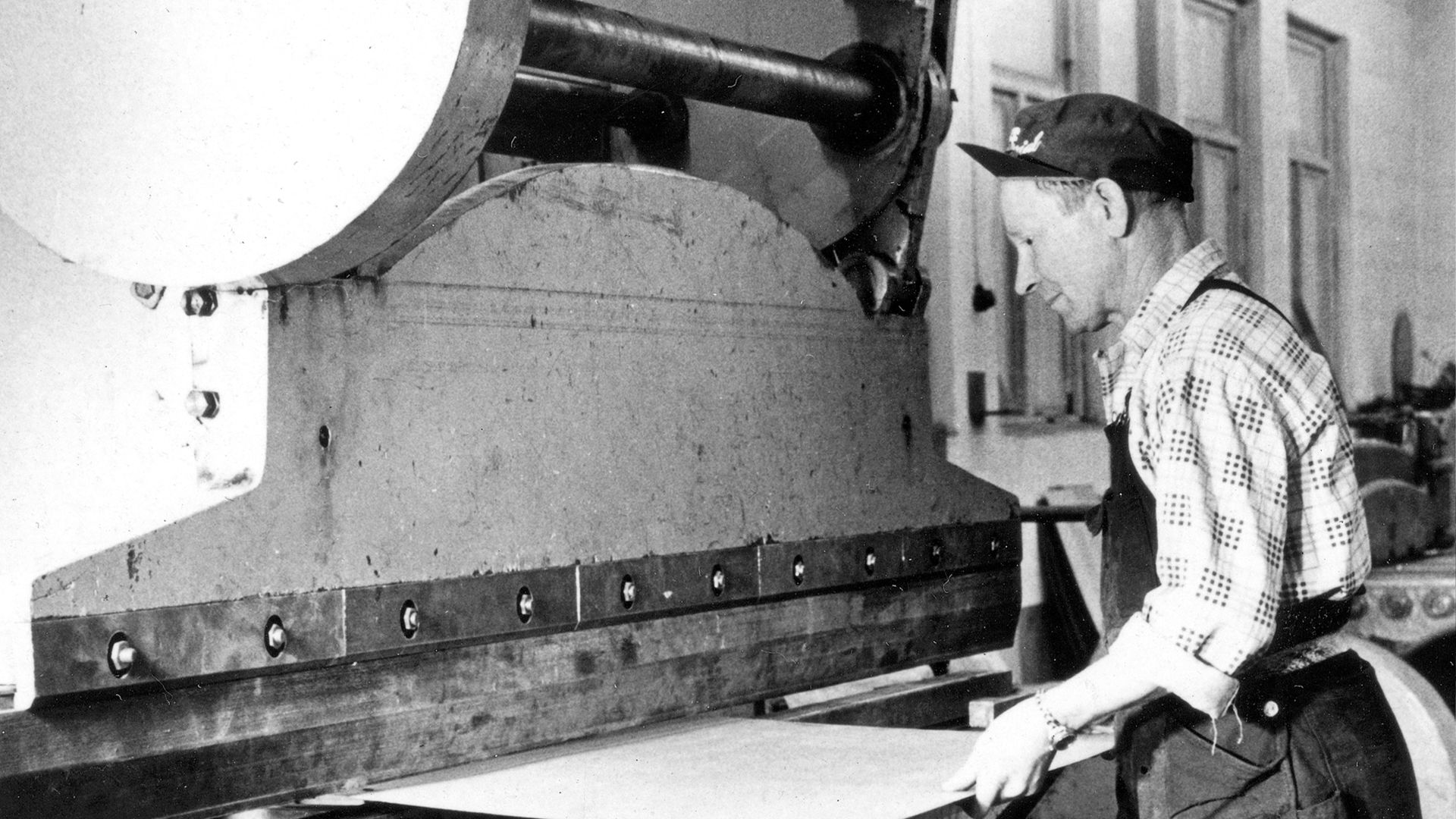
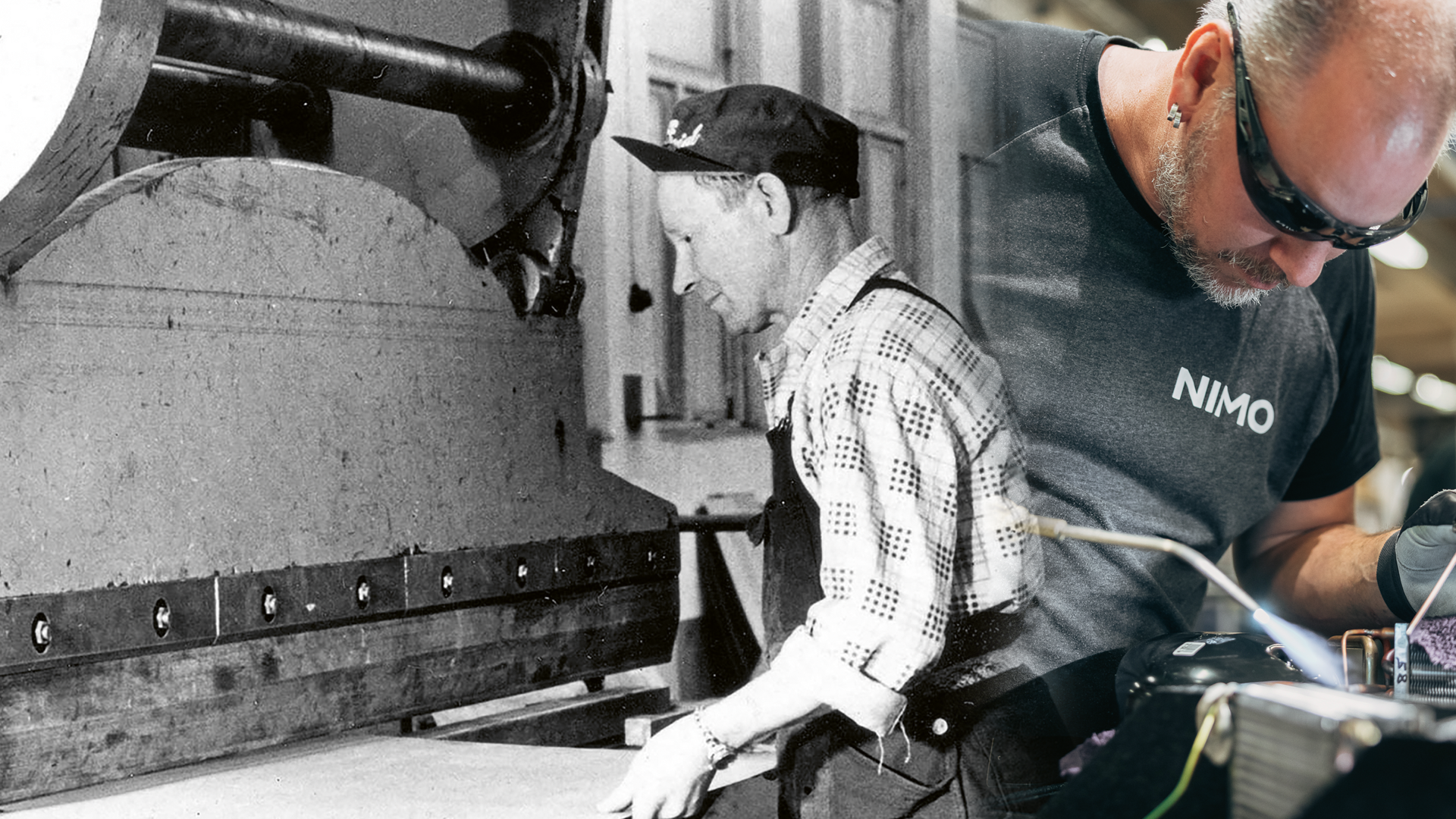
Everything started on May 2, 1944, in a garage in Jönköping. Welder Olof Nilsson founded the business together with Moberg, and the company was named NIMO. In the early years, stainless steel products for large kitchens and restaurants were manufactured. The company’s self-developed laundry tubs quickly gained traction, and by 1945 around 3,000 units were produced each month. A local order for sheet metal bathtubs grew into larger-scale production. Manufacturing expanded rapidly, laying the foundation for a more industrialised operation.

1950s

When things took off

As demand increased during the 1950s, the garage and the first premises were no longer sufficient. In 1952, production was moved to Bodafors. Washing machines became an important part of the business, with production reaching as many as 900 machines per month. The product range broadened, and during the same period the rights to a drying cabinet were acquired. Drying cabinets gradually became increasingly significant within the portfolio. When the Bodafors facilities also became too small, a new factory was built in Hova, completed at the turn of 1959–1960.

1960s

The foundation of today’s production

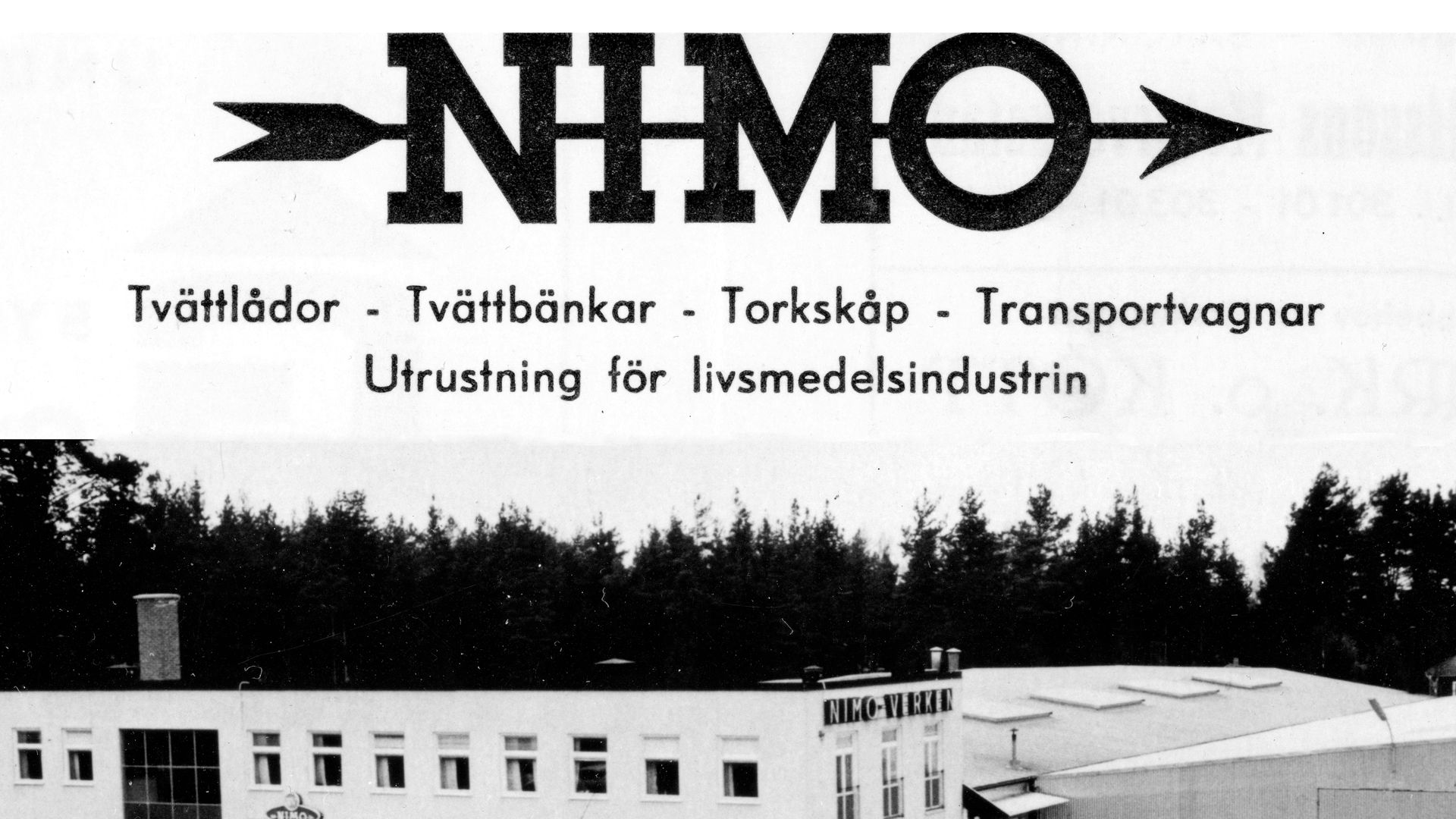
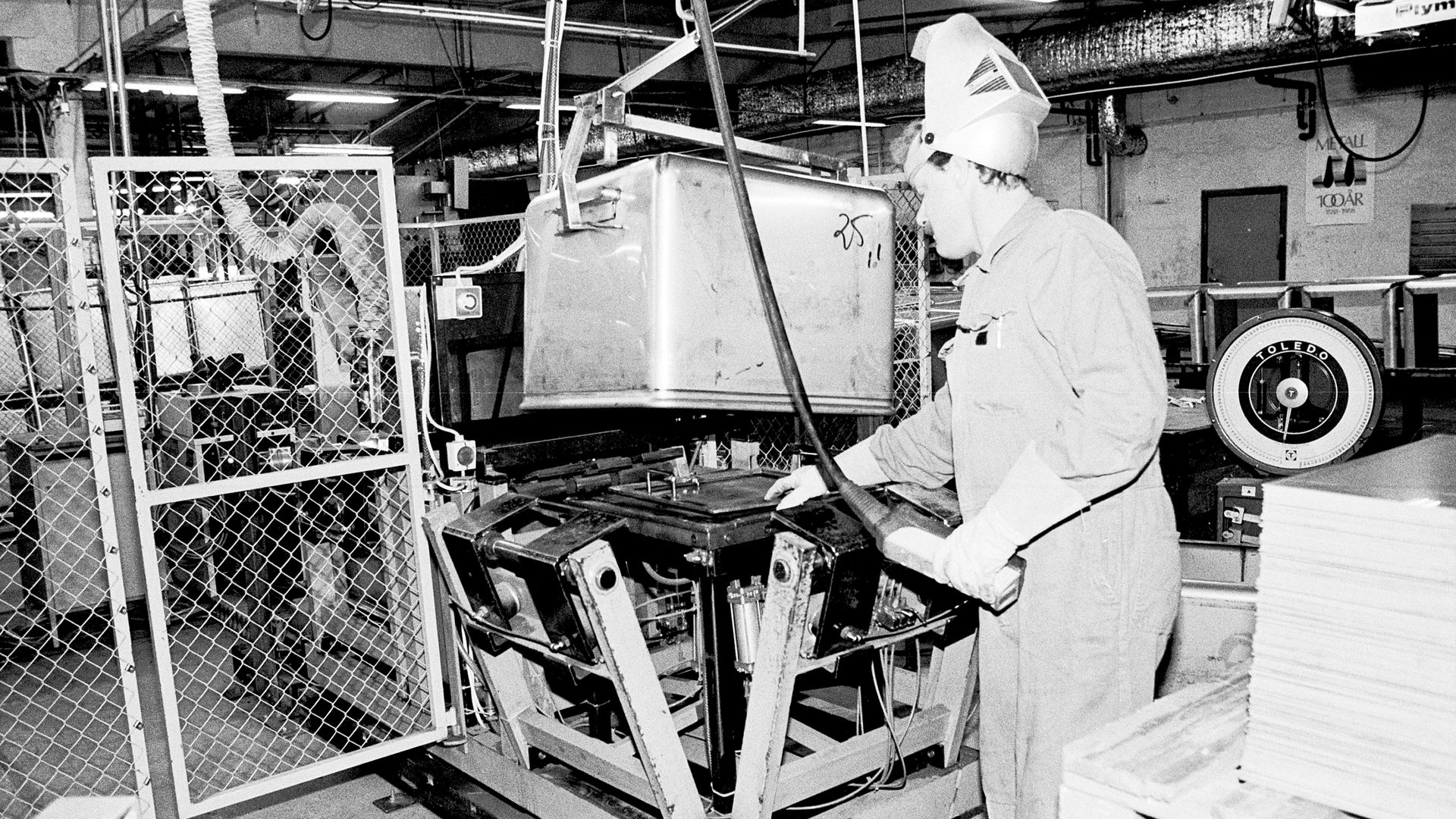
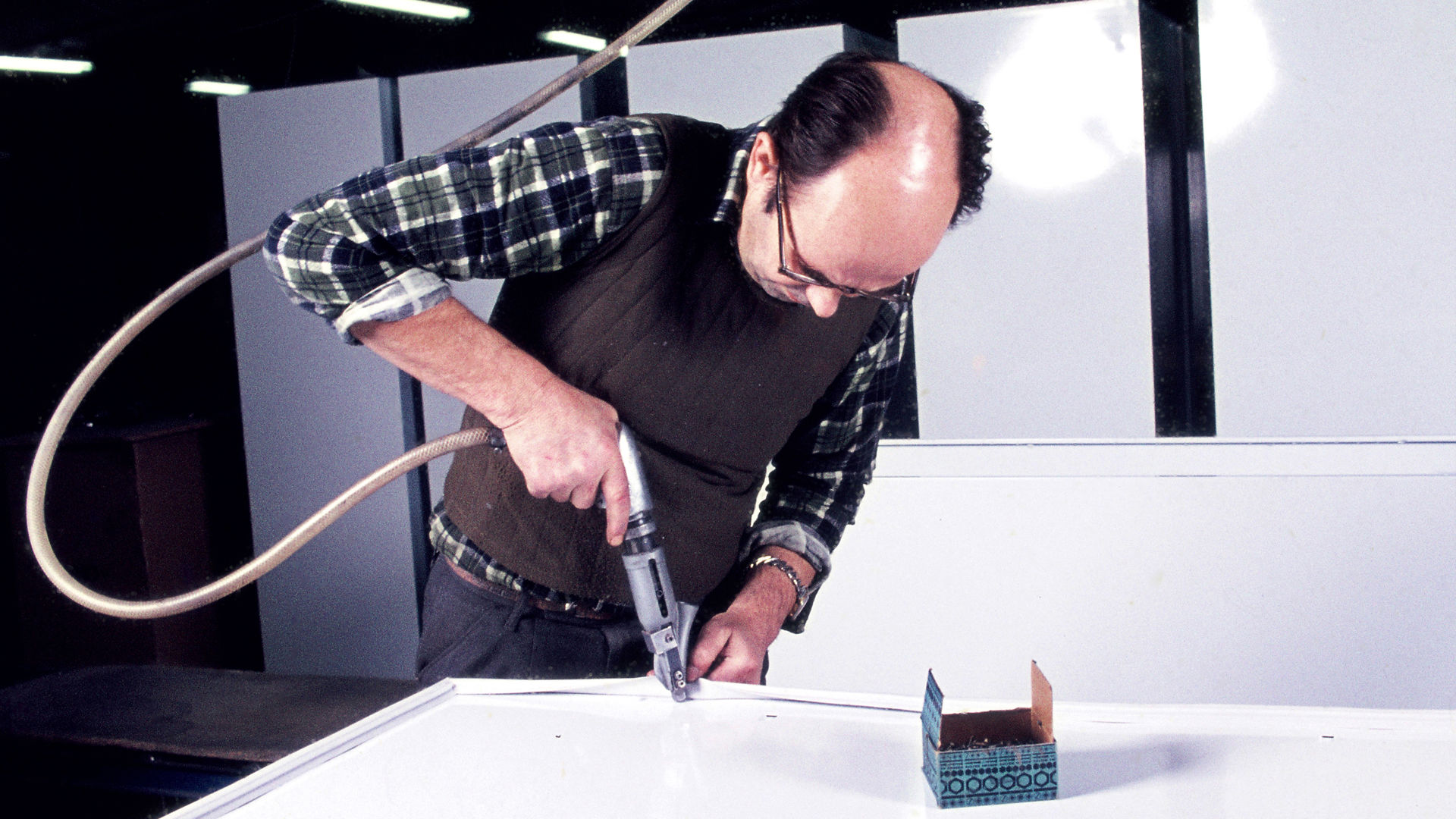
With the new factory in place, the 1960s marked a more focused direction. Following changes in ownership, the business was streamlined and the production of lawn mowers and washing machines was phased out. Resources were instead concentrated on stainless steel products, laundry benches and drying cabinets. Production of laundry benches peaked at around 20,000 units per year. The focus on the laundry care room became increasingly clear, laying the foundation for the specialisation that still defines the company today.

1970s

A clear core product

During the 1970s, drying cabinets achieved their real breakthrough. Competition with Futurumverken led to an agreement that allowed NIMO to focus entirely on drying cabinets. Production and engineering were streamlined, and volumes steadily increased. By the end of the decade, the company’s turnover was approximately SEK 30 million. At this point, drying cabinets had become the company’s clear core product.

1980s

Sustainability, export and profitability

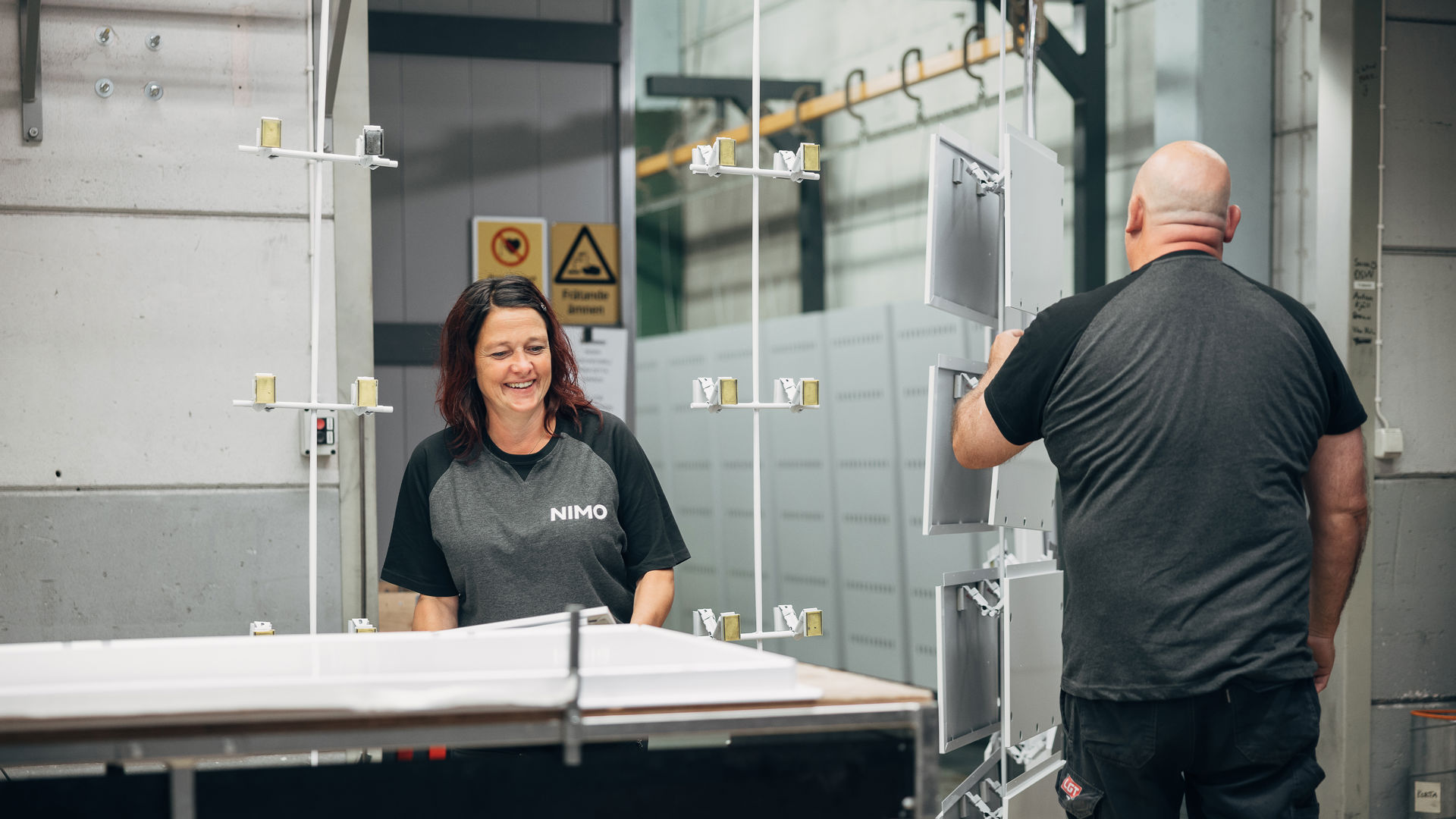
With a clearly defined core product, the company entered the 1980s with strong growth. Exports increased and turnover exceeded SEK 100 million. In 1988, a new powder coating facility was commissioned. Emissions of solvents were reduced from approximately 50 tonnes per year to close to zero.

1990s

Challenge and transformation

When the financial and banking crisis hit in the early 1990s, conditions changed rapidly. Interest rates temporarily reached 500 percent, and the construction sector was heavily affected, which was reflected in demand. At the same time, new legislation in 1992 opened up opportunities for the manufacture of security cabinets, and demand was immediately strong. The period was characterised by transition, but also by the ability to identify new business opportunities in a challenging market.

2000s

Product development and new partnerships

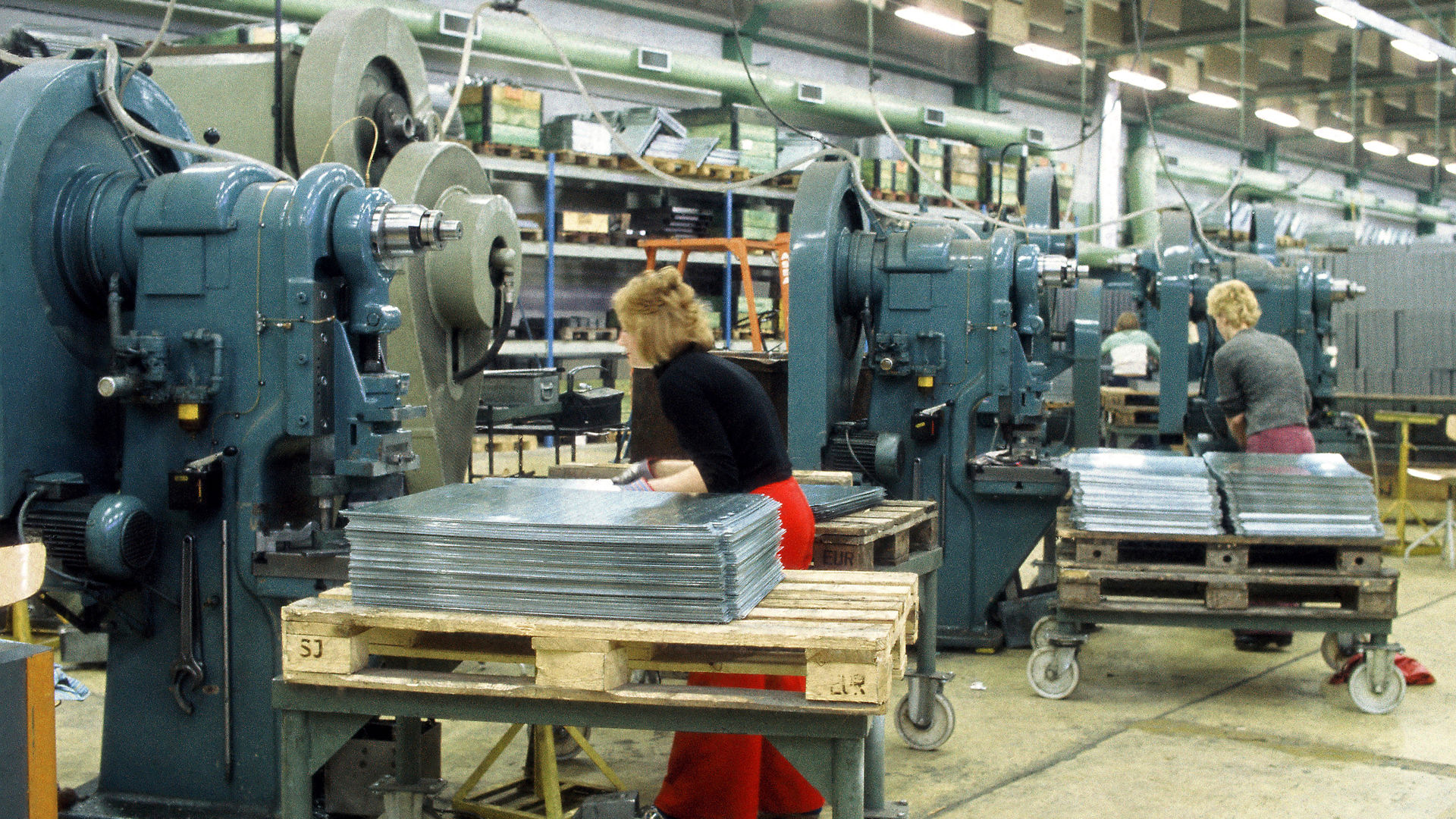
In the early 2000s, development gained new momentum. The energy-efficient drying cabinet ETS 600 was introduced, and production was modernised through investments in fully automated lines. Exports expanded through partnerships in the United States and deliveries to South Korea. In 2008, the first eco-cabinet with electronic control and sensor automation was launched. Energy efficiency became a clear focus in product development.

2010s

Acquisitions and increased production capacity

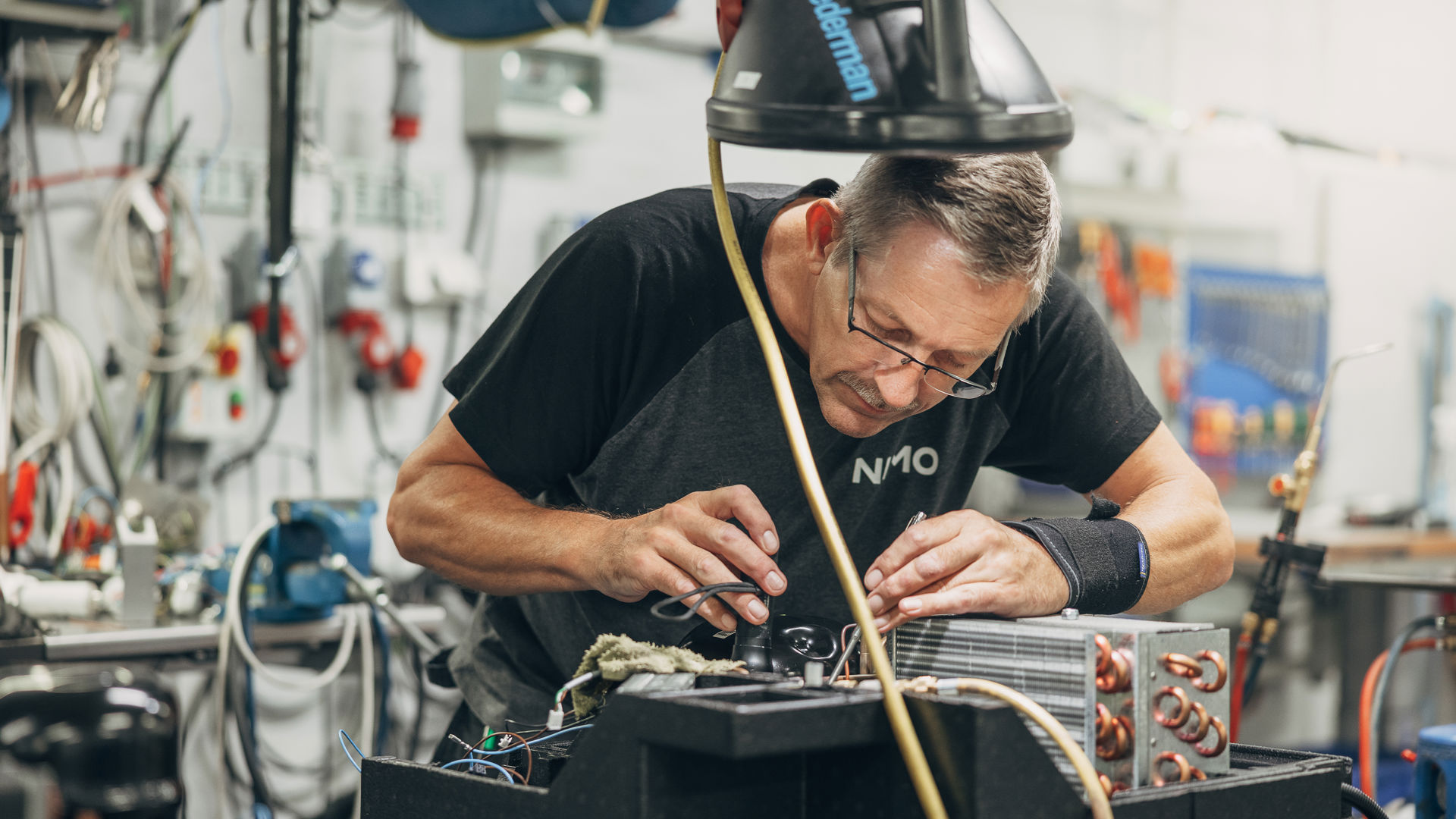
The next technological step was taken during the 2010s. In 2010, Tenexa in Tingsryd was acquired, adding heat pump expertise to the business. After two years of development, NIMO HP was launched in spring 2013, with sales exceeding 1,000 units in the first year alone. Exports continued to grow, and in 2016 a new section of the Hova factory was inaugurated, doubling production capacity.

Early 2020s

Sustainability and enhanced functionality

During the 2020s, work continues to refine and further develop the technology. The focus is on energy efficiency, natural refrigerants and enhanced functionality. Production in Hova is gradually modernised, and the product range is adapted to new requirements for energy performance and sustainability.

Today

Energy efficient drying solutions for public, shared & private environments

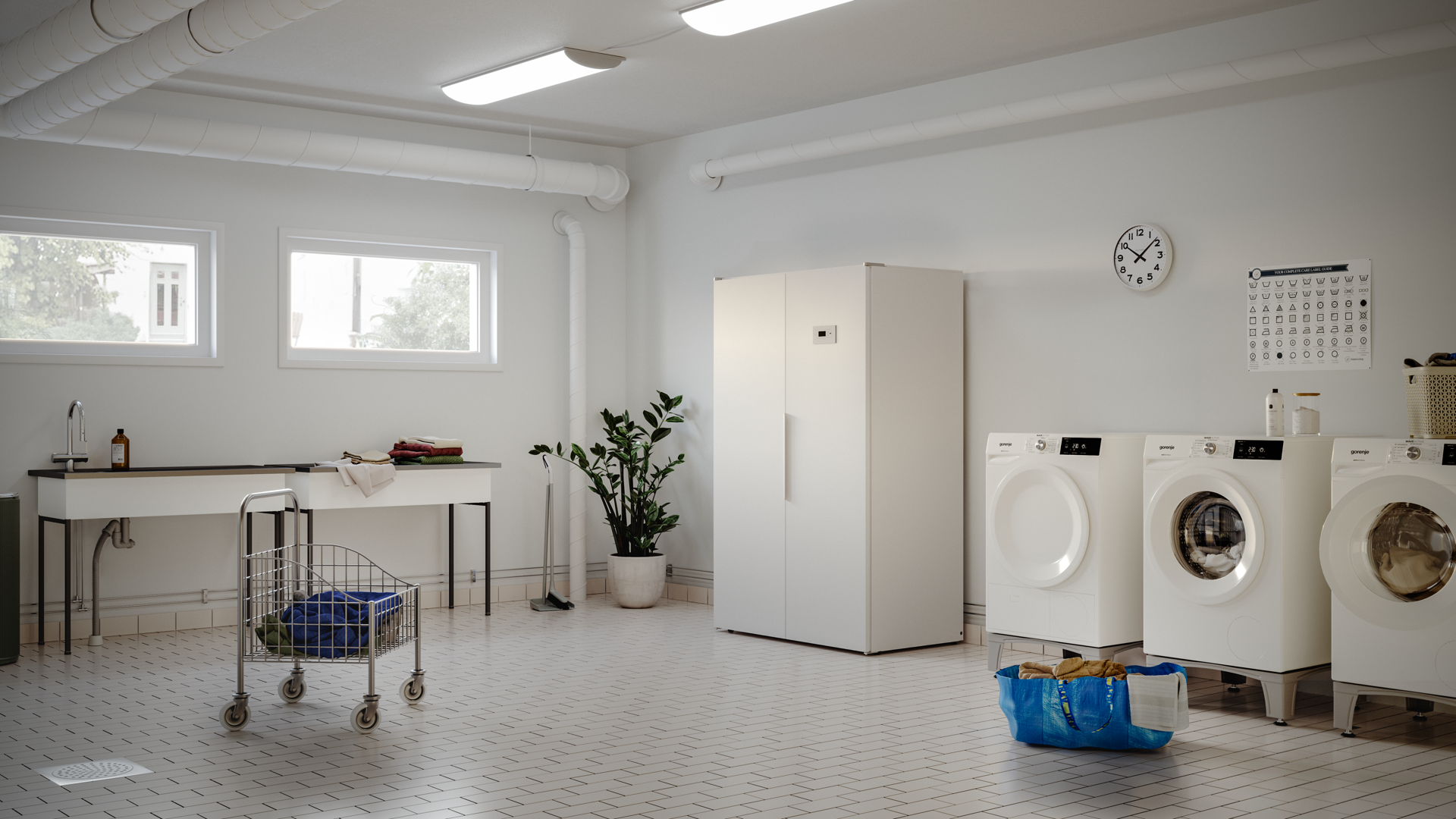
With more than 80 years of experience and production in Sweden, NIMO is today a specialised manufacturer of drying cabinets and equipment for laundry care rooms. From the garage in Jönköping to today’s international market, the focus has remained the same: to develop technically refined solutions for efficient drying, with production in Sweden.